The Role of Play in ABA Therapy: Learning Through Fun
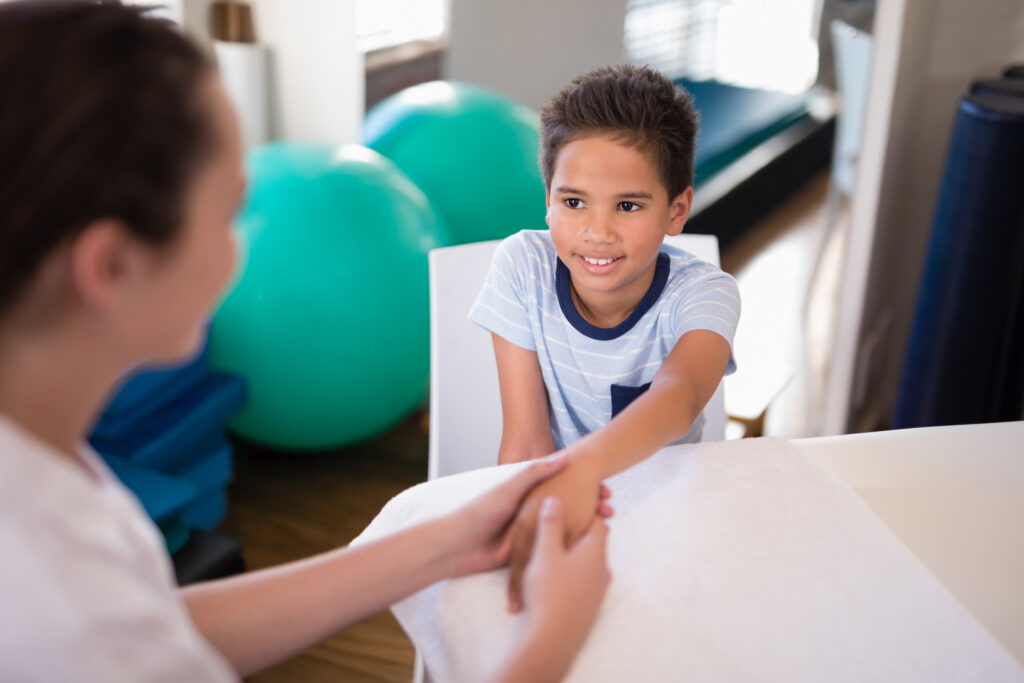
When parents think about therapy, they may imagine worksheets, drills, or structured lessons. But at FreshStarts, therapy often looks a lot like play. That’s because play is one of the most powerful ways children learn—and in ABA, it’s the foundation for building skills that last a lifetime.
Play isn’t just fun—it’s how children explore the world, practice communication, and develop social and emotional connections. Through play-based ABA therapy, children gain essential tools for independence, confidence, and growth.
Why Play Matters in ABA
Play taps into a child’s natural motivation. When therapy feels engaging and enjoyable, children:
- Stay motivated to try new tasks.
- Practice real-world skills in safe, familiar contexts.
- Build social connections with peers, siblings, or therapists.
- Learn through repetition without it feeling forced.
At FreshStarts, play is not random—it’s intentional. Every activity is chosen to reinforce skills and encourage progress toward meaningful goals.
Skills Children Learn Through Play
During play-based ABA, therapists target a wide range of developmental areas. For example:
Communication
- Practicing turn-taking in conversation.
- Asking for toys or activities.
- Learning new words during pretend play.
Problem-Solving
- Completing puzzles or building structures.
- Figuring out rules in a game.
- Negotiating with peers during group play.
Social Skills
- Sharing materials.
- Following rules in group games.
- Reading social cues from others.
Emotional Regulation
- Managing frustration when a game doesn’t go as planned.
- Practicing calming strategies in playful scenarios.
Daily Living Skills
- Role-playing daily routines like cooking, cleaning, or going to the store.
- Pretend play that prepares children for real-world independence.
📖 Related blog:
👉 How to Support Your Child’s Progress Outside of Therapy
Examples of Play in ABA Therapy
Here are a few ways FreshStarts integrates play into therapy:
- Pretend Play: Using dolls, kitchen sets, or dress-up to practice communication and routines.
- Games: Board games, turn-taking activities, or simple ball toss to build cooperation and patience.
- Sensory Play: Sand, water, or textured toys for children needing sensory regulation.
- Outdoor Play: Practicing transitions, safety skills, and social interactions in parks or playgrounds.
- Creative Play: Arts, crafts, or building blocks to encourage imagination and problem-solving.
Every playful moment has a purpose—supporting growth in communication, social development, or life skills.
How Parents Can Use Play at Home
You don’t need specialized tools to reinforce therapy goals through play. Try these simple ideas:
- Play “store” to practice asking for items and using polite phrases.
- Build a tower together, encouraging your child to request blocks.
- Use a favorite game to teach patience and taking turns.
- Engage in pretend cooking or cleaning to practice daily living skills.
The key is to keep it fun and consistent—while reinforcing the same skills practiced in therapy.
📖 More parent strategies here:
👉 Understanding Parent Training Programs
The FreshStarts Approach
At FreshStarts, play is at the heart of our culture. We believe children learn best when they are:
- Engaged through activities they enjoy.
- Supported by caring professionals and families.
- Challenged in ways that feel achievable, not overwhelming.
Real life. Real families. Real results.
Through play, children build confidence, independence, and a love for learning.
Learn More & Take the First Step
📘 Learn about our ABA approach: https://freshstartsnow.com/applied-behavior-analysis/
👨👩👧 Access family resources: https://freshstartsnow.com/clients/
📄 Review insurance coverage: https://freshstartsnow.com/insurance-coverage-payment/
📅 Schedule a consultation: https://freshstartsnow.com
📞 Call us today—we’re ready to help.